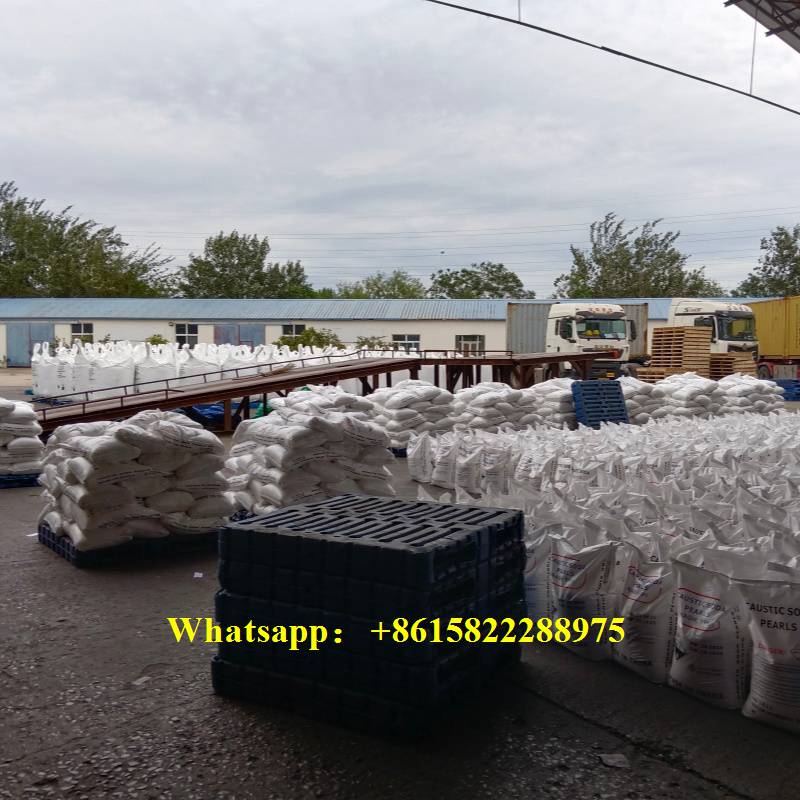
In modern industrial operations and municipal infrastructure, maintaining strict water quality standards relies heavily on precise chemical conditioning protocols and reliable reagents. High-purity sodium hydroxide (NaOH ≥ 99%) stands out as one of the most reliable, cost-effective, and efficient alkaline reagents available for adjusting pH balances, neutralizing aggressive acidic effluents, and precipitating dissolved heavy metals. For environmental engineers, facility operators, and plant managers worldwide, thoroughly understanding the diverse caustic soda uses in water treatment is essential for optimizing system efficiency, reducing daily reagent consumption, and ensuring complete compliance with stringent environmental regulations and discharge permits.
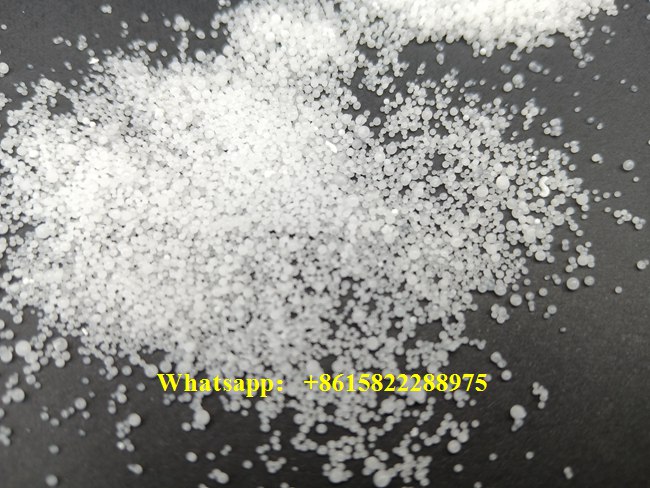
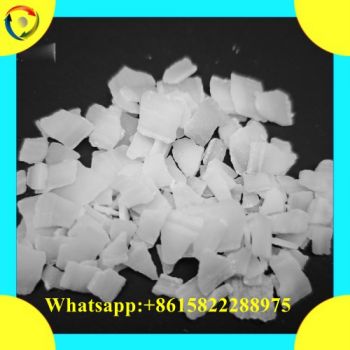
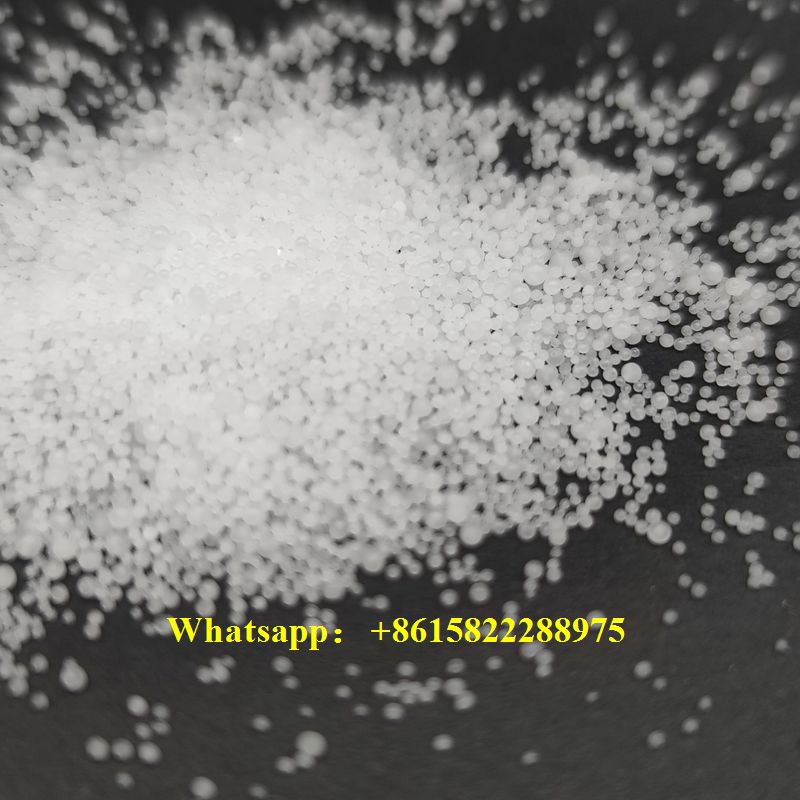
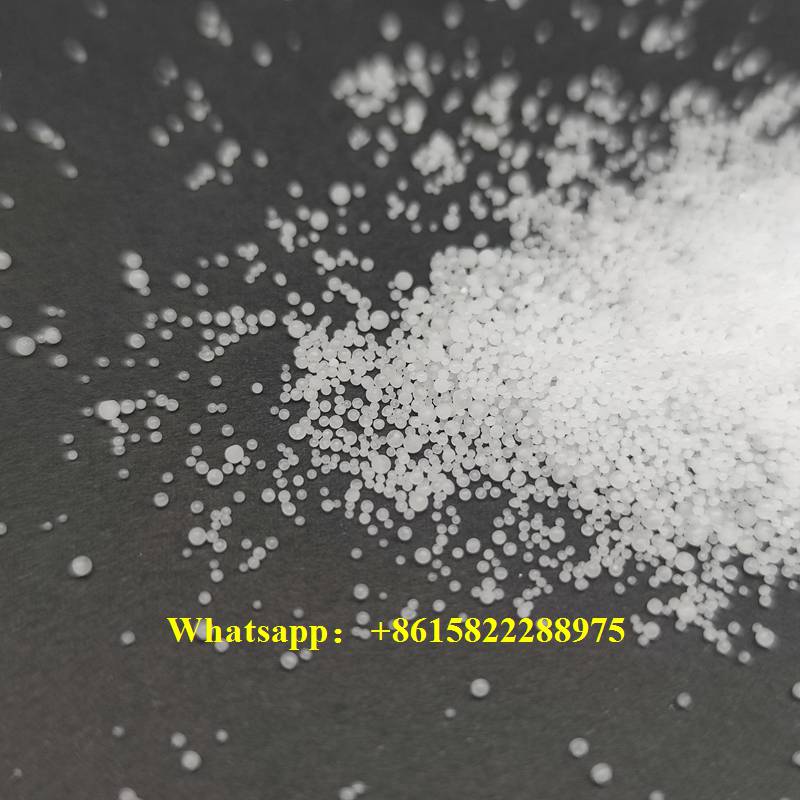
The overall effectiveness of any water purification protocol depends heavily on the chemical consistency, low impurity profile, and purity of the active agents deployed. Our premium high-grade sodium hydroxide, produced via cutting-edge membrane electrolysis technology, ensures rapid particle dissolution and immediate chemical reactivity without leaving behind unwanted insoluble residues that could foul equipment.
When introduced into complex municipal and industrial water treatment systems, it delivers exceptional performance across multiple critical operational stages:
● pH Correction and Stabilization: Accurately elevates and maintains the pH of raw or treated water to prevent aggressive corrosive conditions throughout extensive municipal distribution networks and storage reservoirs.
● Acidic Effluent Neutralization: Instantly buffers hazardous acidic wastewater streams generated by chemical manufacturing, metal plating, and textile processing facilities prior to safe environmental release.
● Precipitation of Heavy Metals: Effectively converts soluble toxic metal ions—such as copper, lead, nickel, and zinc—into stable, insoluble hydroxide precipitates that can be easily separated and removed through standard filtration methods.
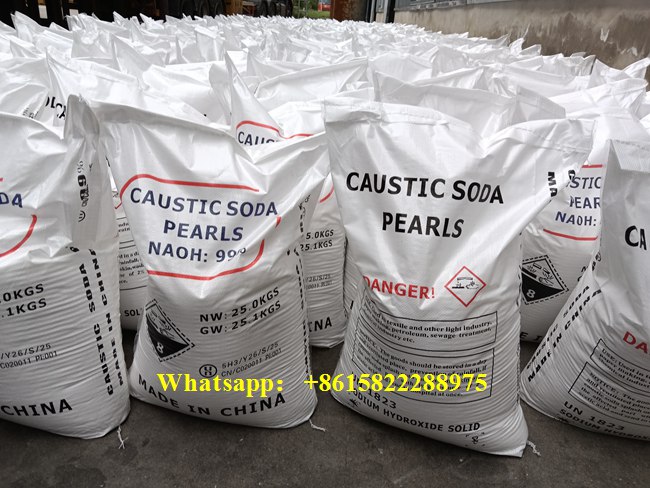
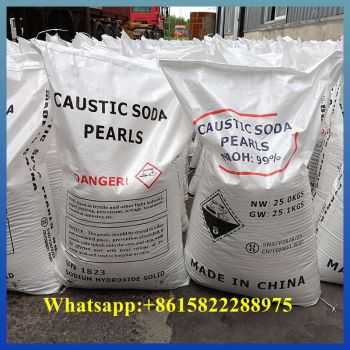
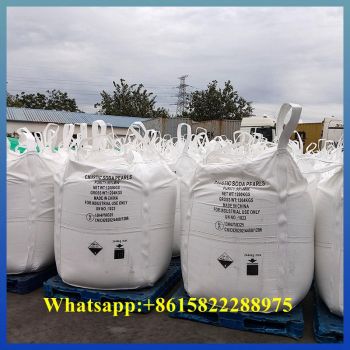
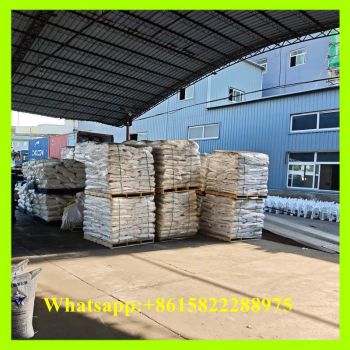
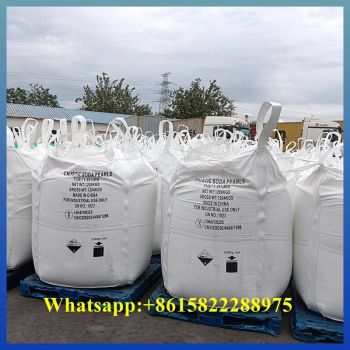
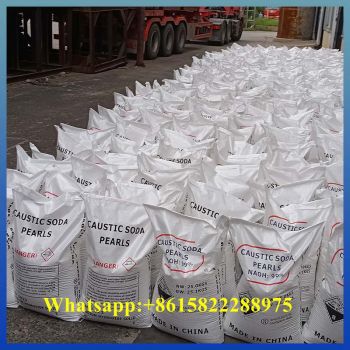
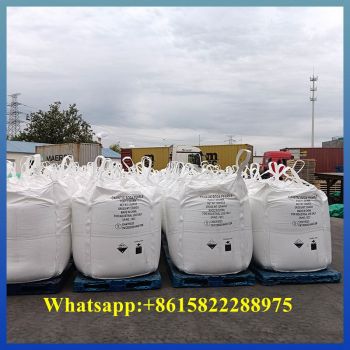
Solid sodium hydroxide is highly hygroscopic, meaning it readily absorbs atmospheric moisture and carbon dioxide from the surrounding environment. To safeguard product integrity and chemical potency during long-distance maritime transport and extended warehouse storage in humid tropical climates, we utilize a robust multi-layer packaging architecture:
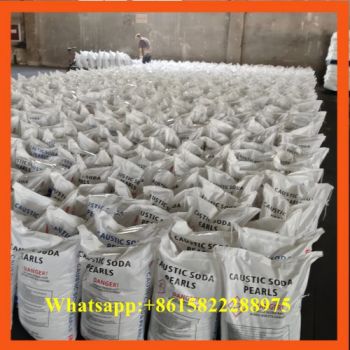
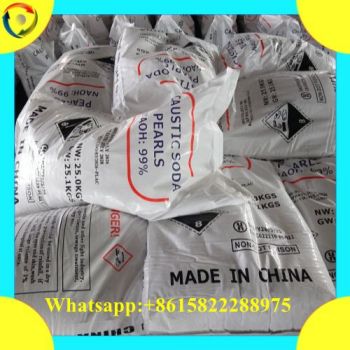
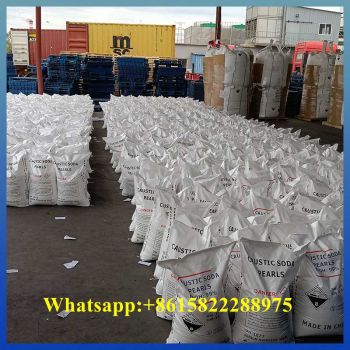
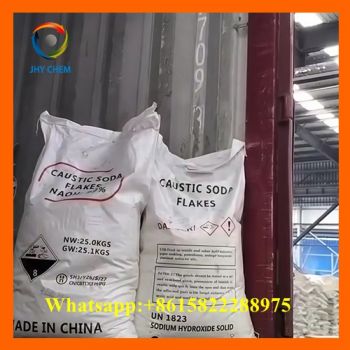
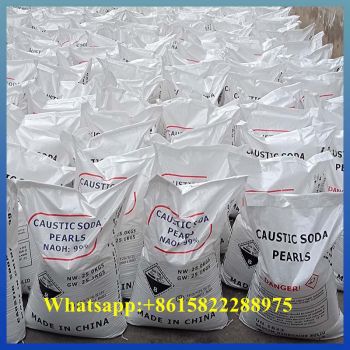
1. Hermetic Polyethylene Inner Liner: A thick, heat-sealed plastic barrier that completely isolates the solid chemical from ambient humidity, moisture, and atmospheric contamination during transit.
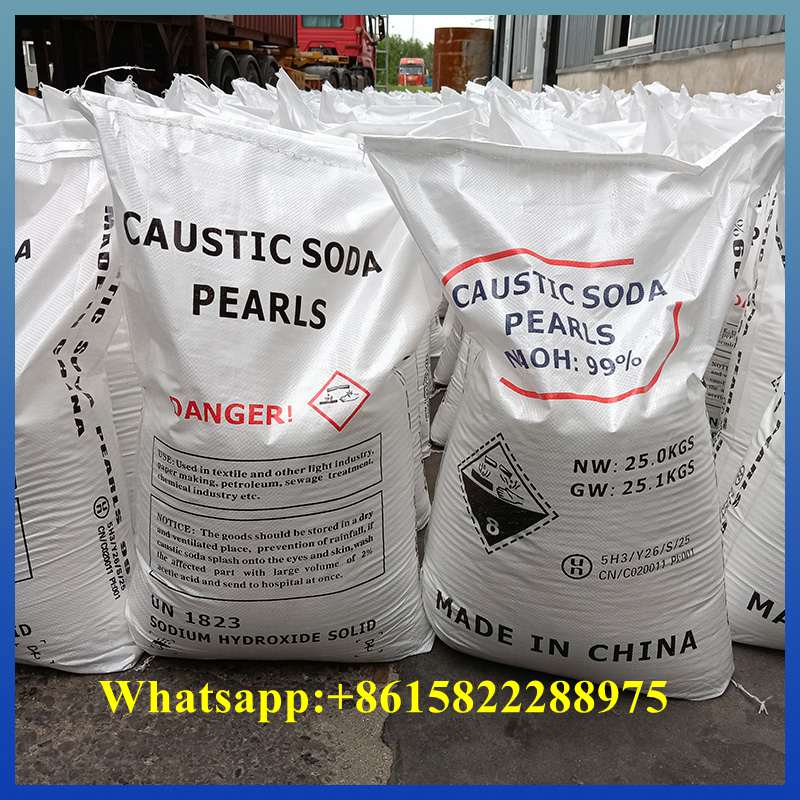
2. High-Strength Polypropylene Woven Bag: A rugged outer shell engineered to provide superior tensile strength, puncture resistance, and stacking stability during container loading and unloading operations.
3. Ergonomic 25kg Standard Weight: Designed in strict compliance with international occupational safety guidelines, facilitating safe manual handling and precise chemical batching.
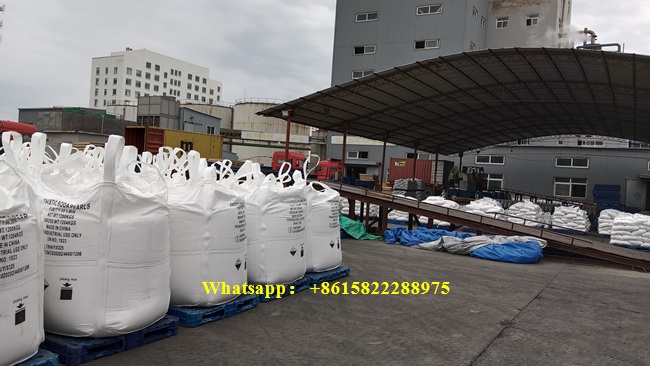
Mastering the full spectrum of caustic soda uses in water treatment enables industrial facilities to achieve rigorous regulatory standards while significantly minimizing operational expenditures. Beyond municipal drinking water conditioning, high-purity sodium hydroxide plays an indispensable role in boiler feed water preparation, water softening through hardness ion precipitation, and the effective regeneration of exhausted anion exchange resin beds.
By eliminating unwanted chemical by-products and guaranteeing complete conversion, our formulation protects expensive facility infrastructure from scale buildup, premature corrosion, and costly operational downtime.
Sourcing your alkaline reagents directly from an established chlor-alkali manufacturer eliminates unnecessary intermediary costs and guarantees absolute supply chain transparency. Every export batch undergoes rigorous laboratory testing prior to dispatch, ensuring compliance with strict international quality benchmarks.
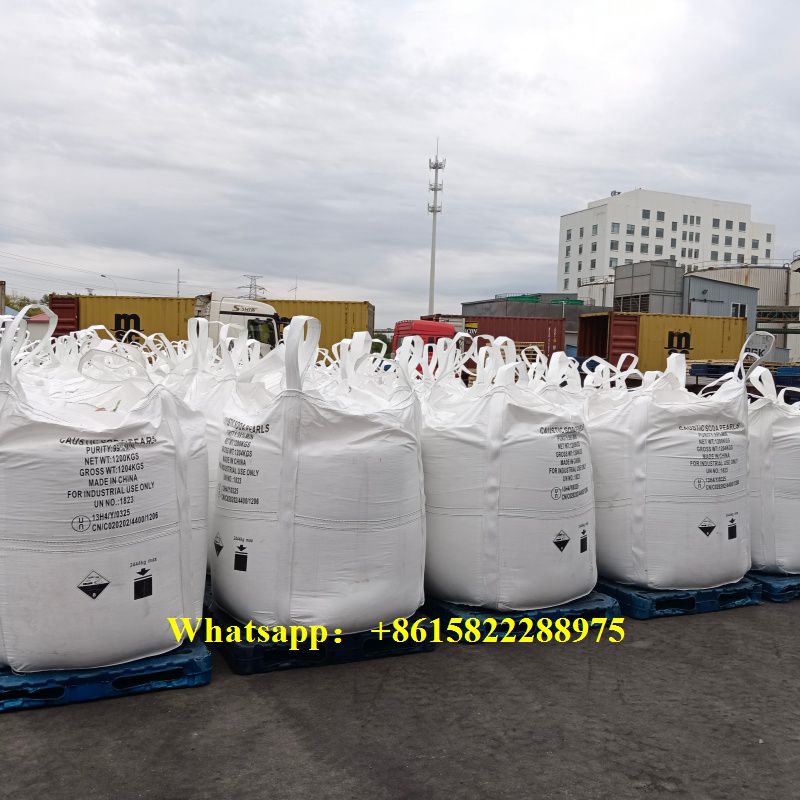
Furthermore, all shipments are accompanied by a complete export documentation package, including a lot-specific Certificate of Analysis (COA), Globally Harmonized System (GHS) compliant Safety Data Sheets (SDS), and UN-approved packaging certifications for Class 8 hazardous materials (UN 1823). Contact our international sales department today to request technical data sheets, test sample evaluations, or custom Full Container Load (FCL) delivery schedules tailored to your municipal or industrial water treatment requirements.
Tel:+86-22-66863746
Fax:+86-22-66863746 ext. 608
Mobile Phone:
+86-15822288975(WhatsApp)
E-mail: causticsoda@jiahengyuanchem.com
Add:NO.1023, 10F, BLDG B, JUNJING SQUARE, HANGYUN 1ST ROAD, TEDA, TIANJIN, CHINA